One-on-One Injury Taping in Palm Desert, CA
Dynamic Physical Therapy provides one-on-one injury taping in Palm Desert, CA. Every visit is with the same licensed physical therapist, never an aide, and your plan is built around your goals.
Kinesiology tape is widely used by physical therapists and other medical professionals to help treat injuries and improve athletic performance.

How We Approach Injury Taping in Palm Desert, CA
Your plan is built around your condition, your activity level and your goals.
Hands-on, evidence-based care
Our approach combines hands-on manual therapy, therapeutic exercise / activity, patient education, and evidence-based treatment techniques to help reduce pain, restore movement, improve strength, and maximize function.
Continuity of care
Every session is spent directly with a licensed physical therapist, and you’ll work with the same therapist throughout your course of treatment, so your therapist can closely monitor your progress and adjust your treatment as your needs evolve.
A partnership built on trust
Whether your goal is to return to sports, recover from surgery, improve your balance, regain independence, or simply enjoy everyday activities without pain, we’re here to help you work toward what matters most.
FAQs About Injury Taping in Palm Desert, CA
Answers to common questions about injury taping at Dynamic Physical Therapy. Have another question? Call us at (760) 501-6655.
What injuries can taping help with?
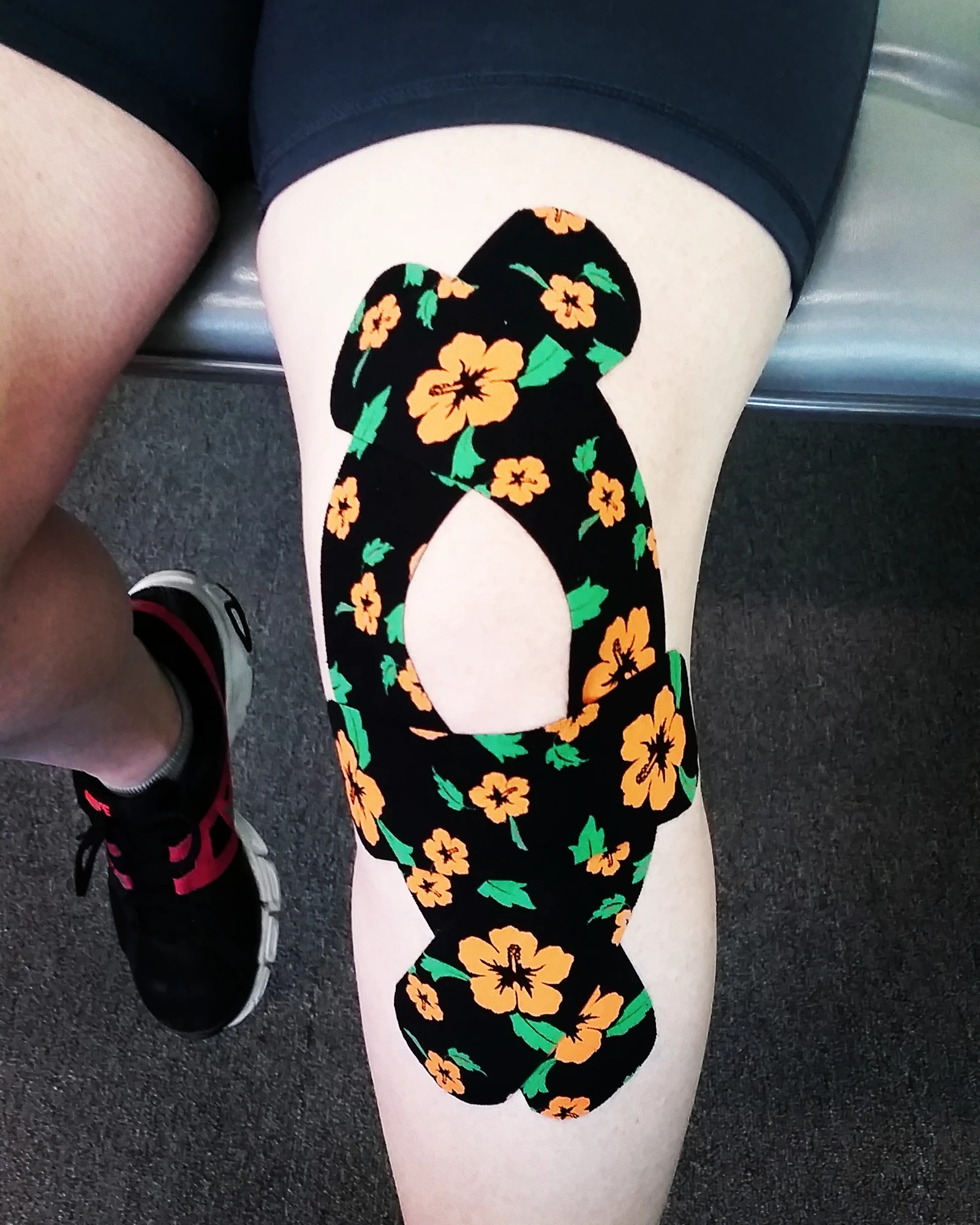
Your physical therapist will make an assessment if tape is right for your specific issue. In general, tape can be used to treat (including, but not limited to) : bruising inflammation joint pain low back / neck pain patellofemoral syndrome plantar fasciitis postural issues strains / sprains tendonitis Taping for a chronic hamstring strain. Taping for pain around the knee cap.
How does it work?
Tape lifts skin away from the muscle and fascia beneath it to decompress the area.
How does it help with pain?
Tape interferes with signals that tell your brain it has pain. For example : if you hit your thumb with a hammer, your immediate reaction is to rub your thumb. This is to stimulate different nerves and interrupt the pain signal being sent to your brain. Taping works in a similar fashion.
How does it help with swelling or bruising?
Because the tape lifts the skin away from the layers underneath, it allows inflammation by-products to be swept away more quickly. An example of taping for bruising : before (left) and after (right).
How else does it help?
Tape can help decrease stress to an area. For example : if you have tennis elbow, applying tape can help decrease the stress / forces to your tendon that is aggravated.
How long will it stay on?
Tape can stay on at least 5 days.
Can I get it wet?
Absolutely. We recommend not scrubbing the area when in the shower. After getting out of the shower / pool it's best to pat dry with a towel. We also have an H2O tape that is stickier for those that are in the pool a lot!
Will I be allergic to the tape?
The tape we use is latex free and similar to a bandaid adhesive. If you've had reactions to bandaids its best to probably avoid the tape. After application if you notice itching or redness, please remove the tape immediately. We also have a gentler version of our regular tape for those with sensitive skin.
What brand of tape do you use?
We use RockTape. We have found it to be the best on the market in terms of effectiveness and lasting / staying power. Plus, they have patterns and colors which make it way more fun! You can find out more about RockTape at www.rocktape.com
Can physical therapy help with injury taping?
At Dynamic Physical Therapy, our approach combines hands-on manual therapy, therapeutic exercise / activity, patient education, and evidence-based treatment techniques to help reduce pain, restore movement, improve strength, and maximize function.
How long does injury taping take?
The length of your treatment depends on your condition, the severity of your symptoms, your personal goals, your functional abilities, and how your body responds to treatment. Some patients may only need a few visits, while others recovering from surgery or managing more complex conditions may benefit from a longer course of care. Your therapist will regularly evaluate your progress and adjust your treatment plan as needed.